Home » The History of Kullu Shawl Weaving: A Timeless Himalayan Tradition
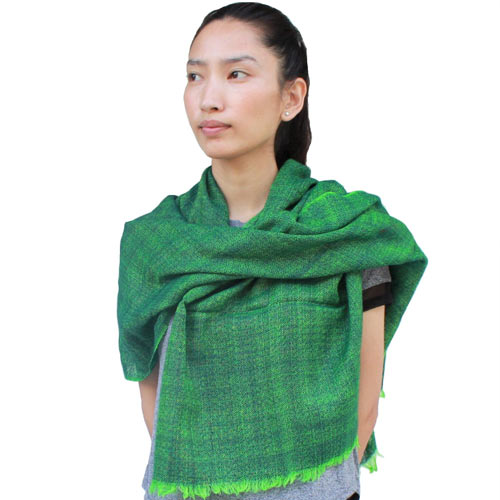
Nestled in the heart of Himachal Pradesh, the picturesque Kullu Valley is renowned not only for its breathtaking landscapes but also for its centuries-old tradition of handloom weaving. Among its most treasured creations is the Kullu shawl, a symbol of Himalayan craftsmanship, cultural heritage, and timeless elegance. Every shawl tells a story of skilled artisans, traditional techniques, and a deep connection to nature.
Today, Kullu shawls are admired across India and around the world for their distinctive geometric patterns, premium natural fibers, and exceptional durability. But behind every beautifully woven shawl lies a fascinating history that has been carefully preserved through generations.
In this article, we’ll explore the history of Kullu shawl weaving, its evolution, the artistry involved, and why this remarkable tradition continues to thrive in the modern world.
The history of weaving in the Kullu Valley dates back several centuries. The region’s cold climate naturally encouraged the use of woolen garments, and local communities began weaving wool from sheep to create clothing that provided warmth during harsh Himalayan winters.
However, the Kullu shawl as we know it today evolved over time through the influence of skilled weavers who migrated to the valley from neighboring Himalayan regions. They introduced advanced weaving techniques, intricate border designs, and improved loom technology, blending their expertise with local traditions.
This fusion gave birth to the distinctive Kullu shawl—known for its elegant patterns, exceptional craftsmanship, and practical warmth.
Over the years, Kullu shawls gained popularity for their unique combination of simplicity and artistic beauty. Unlike heavily embroidered textiles, traditional Kullu shawls feature plain backgrounds enhanced by colorful geometric borders inspired by the surrounding mountains, rivers, and local culture.
Their growing reputation attracted traders and visitors from across India, helping establish Kullu as one of the country’s most respected handloom centers.
Today, authentic Kullu shawls are recognized as symbols of quality craftsmanship and continue to be cherished by people who appreciate handmade textiles.
One of the reasons Kullu shawls remain highly valued is the traditional weaving process that has been preserved for generations.
Creating a handcrafted shawl requires patience, precision, and experience.
The process generally includes:
Every step demands exceptional skill, making each handcrafted shawl unique.
Unlike machine-made products, handcrafted shawls often require several days to complete, depending on the complexity of the design.
Perhaps the most recognizable feature of a Kullu shawl is its colorful woven border.
Traditional motifs often represent:
These geometric patterns have been inspired by everyday life in the Himalayas and reflect the artistic identity of the region.
Modern weavers continue to create contemporary interpretations while respecting traditional design principles.
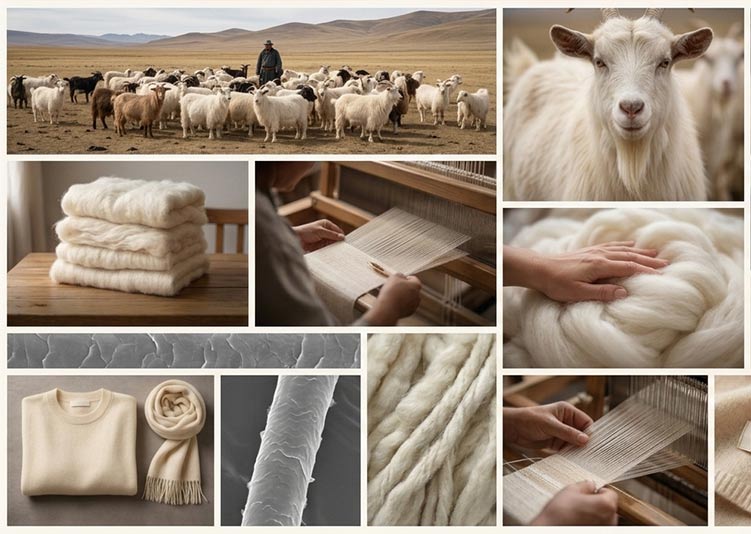
The quality of a Kullu shawl depends largely on the natural fibers used during weaving.
Popular materials include:
Known for its softness, lightweight feel, and excellent insulation.
Highly valued for its luxurious softness and superior warmth.
A durable natural fiber suitable for everyday winter use.
Many artisans combine different natural fibers to achieve the ideal balance of warmth, softness, and durability.
Behind every authentic Kullu shawl is the dedication of skilled artisans who have inherited their craft through generations.
For many weaving families, handloom weaving is more than a profession—it is a way of preserving their cultural identity.
Their expertise includes:
By continuing these traditions, artisans help preserve one of India’s richest textile heritages.
Although rooted in tradition, Kullu shawls have evolved to suit modern lifestyles.
Today they are worn as:
Fashion designers also appreciate Kullu textiles for their authentic craftsmanship and timeless appeal.
The combination of traditional weaving and contemporary styling has helped these shawls remain relevant across generations.
With increasing demand, it is important to know how to recognize genuine handcrafted products.
Look for:
Authentic handcrafted shawls often display slight variations that highlight their handmade nature.
Choosing a handcrafted Kullu shawl offers many advantages:
Rather than purchasing mass-produced winter wear, investing in a handmade shawl allows you to own a piece of Himalayan heritage.
For decades, Kullu Karishma has been committed to preserving the rich handloom traditions of Himachal Pradesh. Working closely with skilled artisans from H.P. Kullu, the brand creates authentic handmade products using traditional weaving techniques and carefully selected natural fibers.
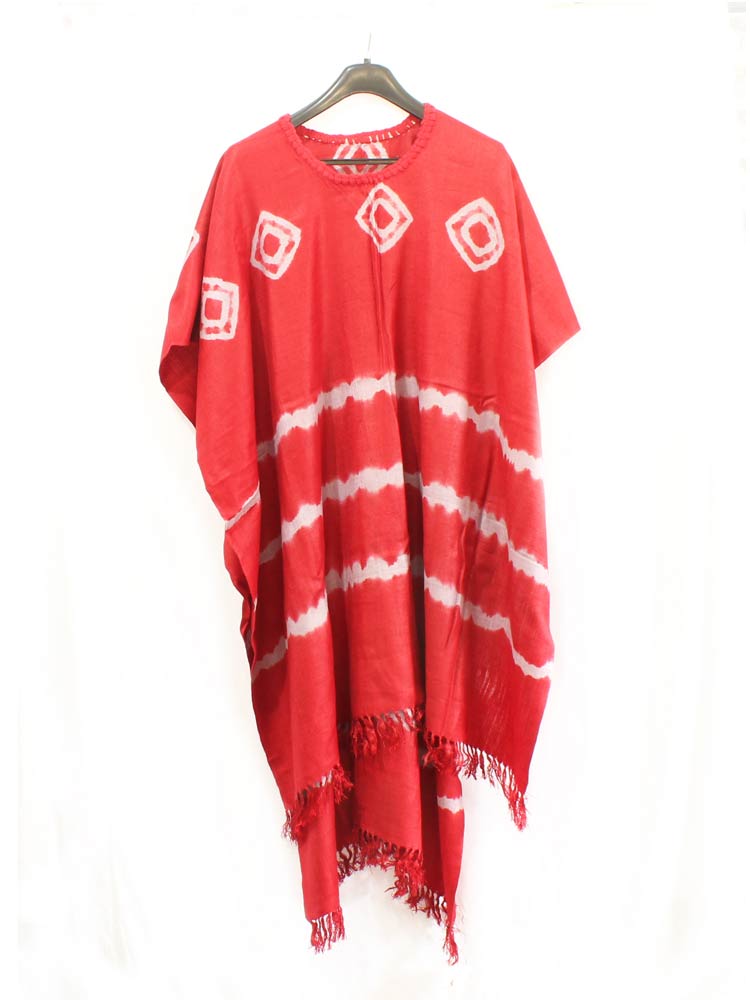
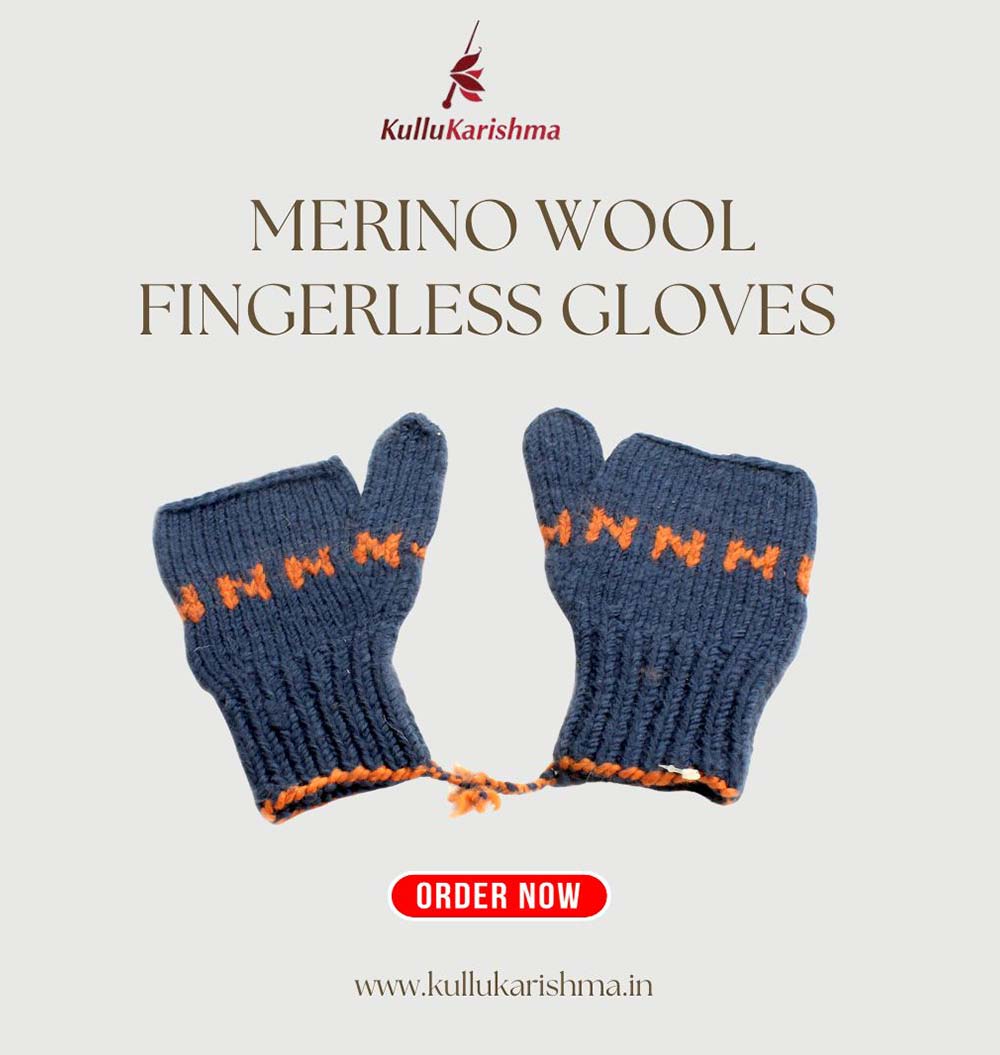
From beautifully handcrafted Kullu shawls to woolen fabrics, ponchos, mufflers, gloves, caps, and other winter essentials, every product reflects the artistry and dedication of local craftsmen. By combining traditional craftsmanship with contemporary designs, Kullu Karishma helps keep this centuries-old weaving heritage alive while introducing authentic Himalayan textiles to customers across India and beyond.
Choosing Kullu Karishma means investing in genuine handmade quality while supporting the artisans who continue to preserve one of India’s finest textile traditions.
The history of Kullu shawl weaving is a remarkable story of craftsmanship, resilience, and cultural pride. What began as a practical necessity in the Himalayan mountains has evolved into one of India’s most celebrated handloom traditions.
Each handcrafted Kullu shawl carries generations of knowledge, artistic expression, and dedication. Its intricate patterns, natural fibers, and timeless elegance make it much more than a winter accessory—it is a symbol of Himalayan heritage.
As more people embrace sustainable and handmade fashion, authentic Kullu shawls continue to represent quality, tradition, and enduring craftsmanship. By choosing a genuine handcrafted shawl, you not only enjoy exceptional warmth and style but also help preserve the rich legacy of Kullu’s weaving community for future generations.
Kullu shawl weaving originated centuries ago in Himachal Pradesh, where local artisans developed handloom techniques to create warm woolen shawls. Over time, the craft evolved with the influence of skilled weavers, resulting in the distinctive geometric patterns that define Kullu shawls today.
Kullu shawls are known for their handcrafted quality, colorful geometric borders, premium natural fibers, and traditional Himalayan weaving techniques passed down through generations.
Authentic Kullu shawls are commonly woven using Merino Wool, Angora Wool, Lamb Wool, pashmina blends, and other natural fibers that provide warmth, softness, and durability.
Look for handwoven textures, traditional geometric patterns, high-quality natural fibers, neat finishing, and purchase from trusted brands or artisan groups specializing in authentic Himalayan handloom products.
Handmade Kullu shawls offer superior craftsmanship, long-lasting quality, natural warmth, unique designs, and support the livelihoods of skilled Himalayan artisans while helping preserve India’s rich handloom heritage.