Home » Wool Fabric Buying Guide: Everything You Need to Know
Wool fabric has been valued for centuries for its natural warmth, durability, and timeless appeal. Whether you’re designing a winter coat, creating a handcrafted shawl, tailoring a stylish jacket, or sewing a comfortable kurti, choosing the right wool fabric is essential for achieving the best results.
With so many options available—from Merino Wool and Lamb Wool to Angora Wool and handwoven fabrics—it can be challenging to know which fabric is right for your project. Understanding the different types of wool, their characteristics, and their ideal uses will help you make an informed decision.
In this comprehensive Wool Fabric Buying Guide, we’ll explain everything you need to know before purchasing wool fabric, ensuring you select the perfect material for comfort, quality, and long-lasting performance.
Wool is one of nature’s most versatile and sustainable fibers. It offers excellent insulation while remaining breathable, making it suitable for a wide range of clothing and accessories.
Some of the key advantages of wool fabric include:
These qualities make wool fabric a preferred choice for designers, artisans, and fashion enthusiasts alike.
Not all wool fabrics are the same. Each type offers unique qualities depending on the fiber used.
Merino Wool is known for its exceptional softness and lightweight feel. It provides warmth without adding bulk, making it ideal for premium winter garments.
Best for:
Benefits:
Lamb Wool is obtained from the first shearing of young sheep, making it softer than regular wool while maintaining excellent durability.
Best for:
Benefits
Angora Wool is appreciated for its luxurious softness and superior insulation. It is often blended with other fibers to improve durability while retaining its lightweight warmth.
Best for:
Benefits
Many premium fabrics combine wool with other natural fibers to enhance texture, strength, or drape. These blends offer versatility while preserving the natural benefits of wool.
One of the most important considerations when buying wool fabric is how it has been produced.
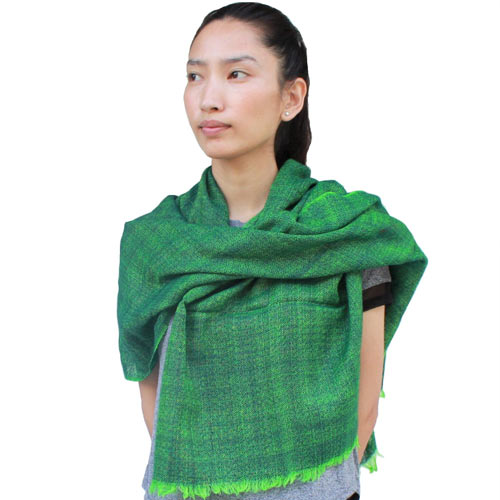
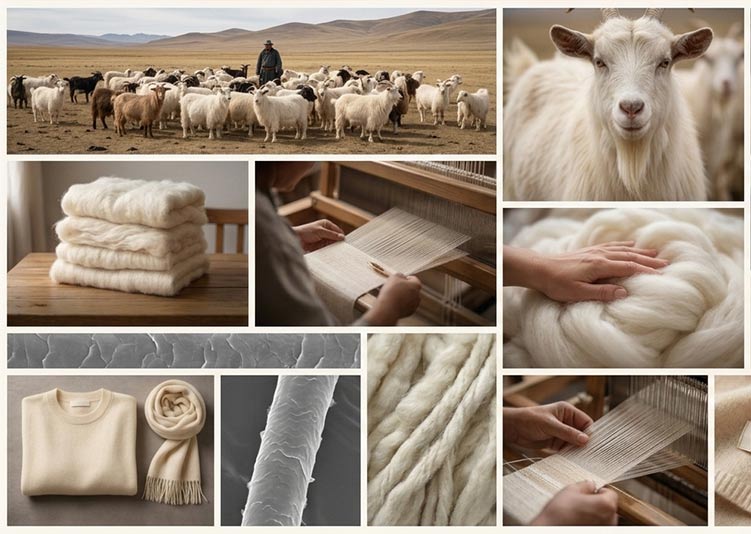
Handwoven fabric is created by skilled artisans using traditional weaving techniques. Every meter reflects careful craftsmanship and attention to detail.
Advantages
Machine-made fabrics are produced in large quantities, offering consistency and affordability.
Advantages
If you appreciate originality and heritage, handwoven wool fabric is often the preferred choice.
Choosing the right wool fabric depends on several important factors.
High-quality natural fibers generally provide better comfort, durability, and appearance. Always check the fiber composition before purchasing.
Fabric Weight
Different projects require different fabric weights.
Lightweight fabrics are ideal for:
Medium-weight fabrics work well for:
Heavyweight fabrics are best suited for:
Fabric width affects how much material you need for your project. Be sure to calculate the required quantity before purchasing.
A tightly woven fabric generally offers better durability and structure. Check the weave for consistency and finishing.
Think about what you’re planning to make.
Choose your fabric according to your project, whether it’s:
Selecting the right wool ensures the finished product performs well and lasts longer.
Before purchasing wool fabric, examine a few important details.
Look for:
Buying from trusted manufacturers or artisan brands also helps ensure authenticity and quality.
Handmade wool fabric offers more than just visual appeal. It represents craftsmanship, tradition, and individuality.
Advantages include:
Each handcrafted fabric carries the skill and dedication of experienced weavers, making every piece truly special.
Proper care helps preserve the beauty and durability of wool fabric.
Follow these simple tips:
With proper care, quality wool fabric can remain beautiful for many years.
Handwoven wool fabric combines functionality with artistry. Unlike mass-produced textiles, every piece reflects the tradition and expertise of skilled artisans who carefully weave each thread.
Choosing handwoven fabric means investing in quality, authenticity, and sustainable craftsmanship while helping preserve traditional weaving techniques for future generations.
At Kullu Karishma, every fabric reflects the rich weaving heritage of Himachal Pradesh’s Kullu Valley. Skilled artisans create handwoven fabrics using premium natural fibers, combining traditional craftsmanship with contemporary designs.
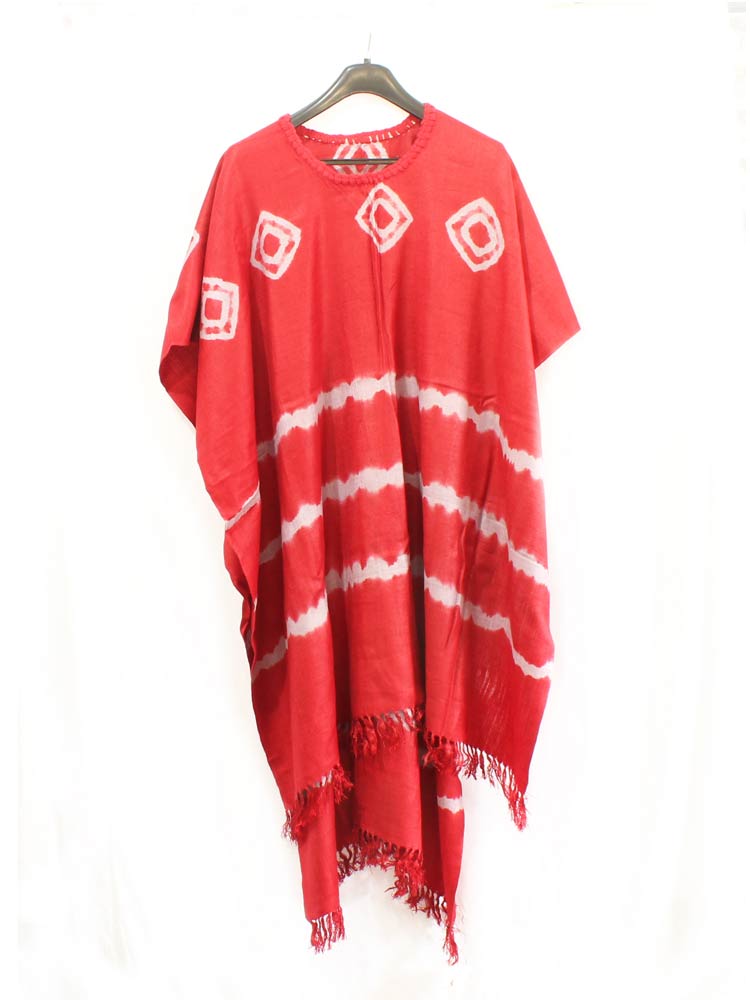
Whether you’re looking for wool fabric for jackets, kurtis, shawls, ponchos, coordinated outfit sets, or custom tailoring, Kullu Karishma offers a carefully curated collection designed for both style and durability.
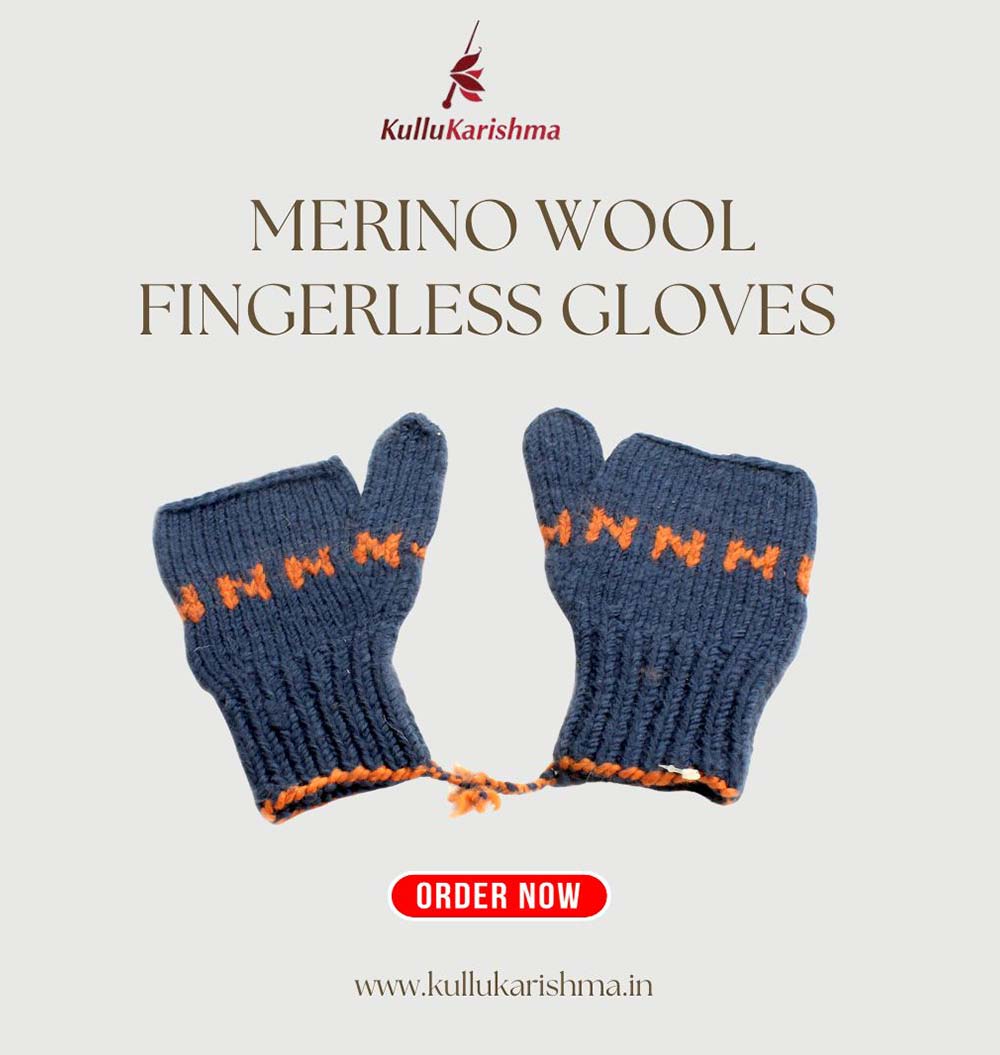
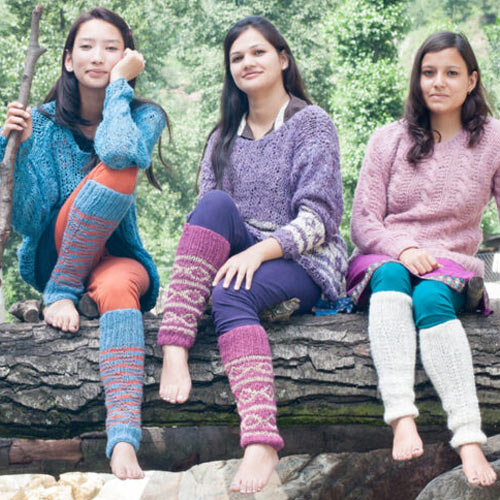
In addition to handwoven fabrics, Kullu Karishma also offers a wide range of handmade wool clothing and accessories, including shawls, ponchos, mufflers, gloves, caps, headbands, and more. Each product is crafted with attention to detail, preserving the timeless traditions of Himalayan handloom while meeting the needs of modern fashion.
Choosing the right wool fabric is about more than selecting a beautiful material—it’s about finding a fabric that matches your project, offers lasting comfort, and reflects quality craftsmanship. From the softness of Merino Wool to the warmth of Lamb Wool and the elegance of Angora blends, every type of wool has its own unique advantages.
By understanding fiber quality, weave, fabric weight, and intended use, you can confidently select the perfect wool fabric for your next creation. If you value authenticity, sustainability, and traditional craftsmanship, handwoven wool fabrics from the Himalayas are an excellent investment that combines heritage with timeless style.
Merino Wool is one of the best choices for clothing because it is soft, breathable, lightweight, and provides excellent warmth. Lamb Wool is ideal for durable winter garments, while Angora blends offer luxurious softness.
Genuine wool fabric typically has a soft texture, natural warmth, even weaving, and high-quality finishing. Purchasing from trusted brands or artisan handloom producers is the best way to ensure authenticity.
Yes. Lightweight wool fabrics, especially Merino Wool, are breathable enough for cool weather throughout the year, while heavier wool fabrics are ideal for winter clothing.
Merino Wool is softer, finer, and lighter, making it comfortable for everyday wear. Lamb Wool is slightly thicker, highly durable, and well-suited for coats, jackets, and other winter garments.
Store wool fabric in a clean, dry place away from direct sunlight and moisture. Using breathable storage bags and keeping the fabric folded neatly will help maintain its quality and extend its lifespan.