Home » Buy Selvedge Denim Fabric: Complete Guide for Buyers
If you are planning to buy selvedge denim fabric for jeans, jackets, shirts, bags, or other premium garments, choosing the right fabric is just as important as choosing the right design. Selvedge denim is valued for its distinctive self-finished edge, characterful texture and the way the fabric can develop a unique appearance with wear.
However, not every denim fabric marketed as premium will be right for your project. Weight, composition, weave, colour, finish, width and shrinkage can all affect how the finished garment looks and feels.
This buyer’s guide will help you understand what to check before you buy selvedge denim fabric and how to select an option that matches your requirements.
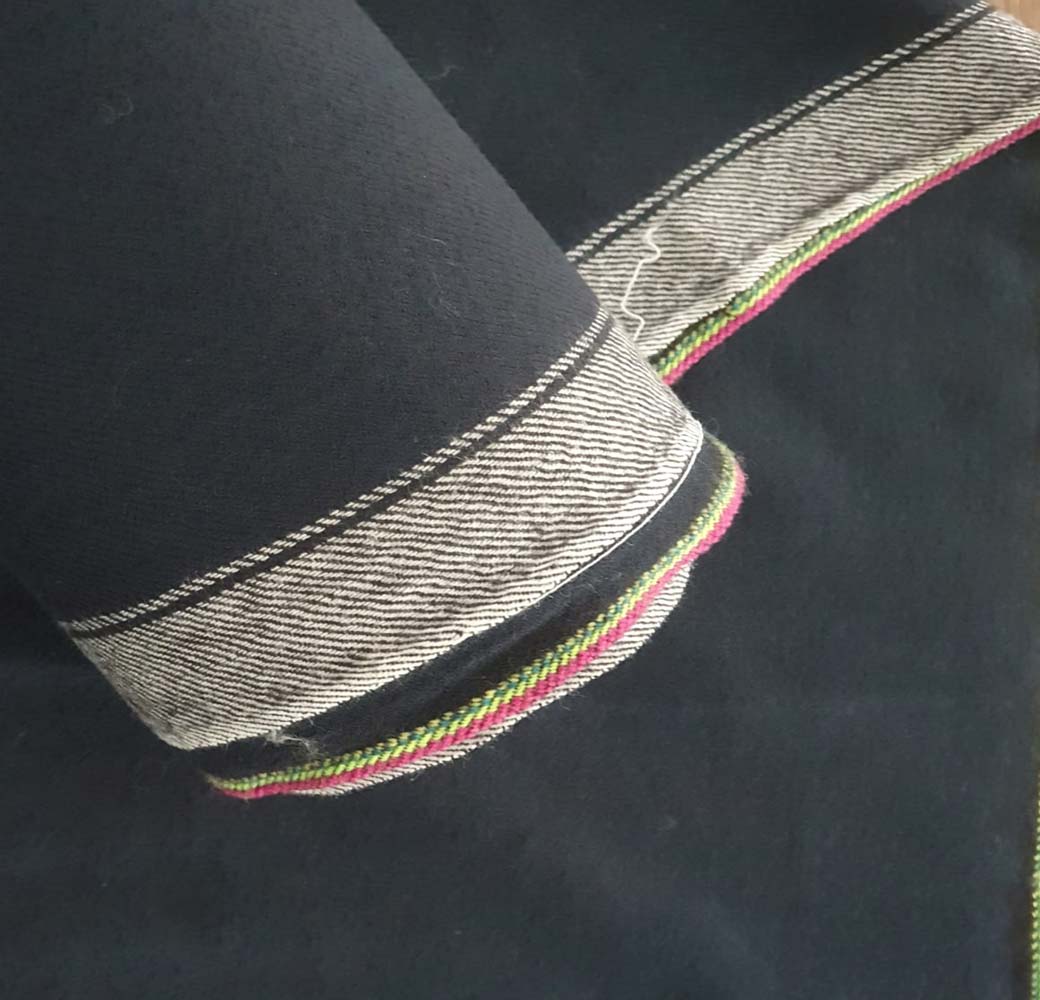
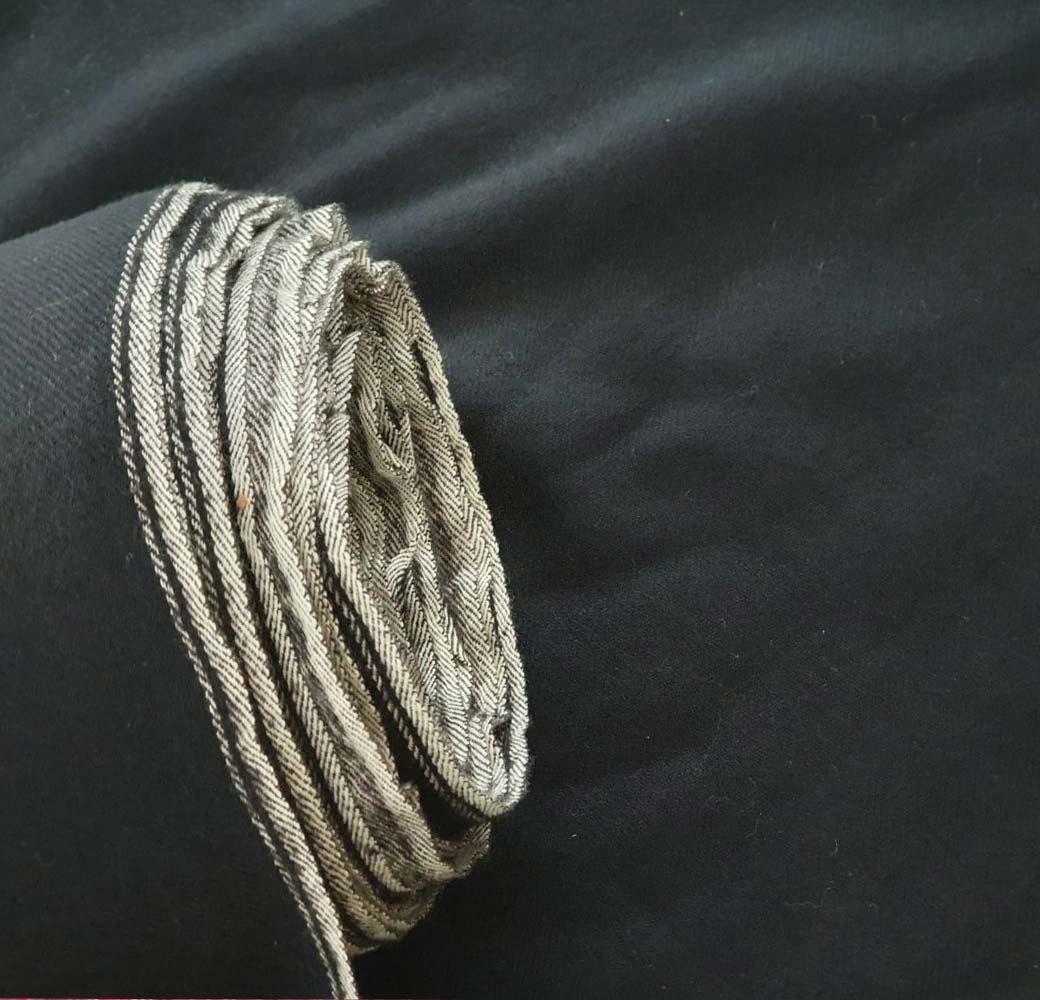
Selvedge denim is denim woven with a finished edge that helps prevent the fabric from unraveling. The edge is often visible as a contrasting line running along the fabric and can become a distinctive design detail in finished garments.
The term “selvedge” describes the construction of the fabric edge rather than automatically guaranteeing a particular level of quality. The overall quality of denim depends on factors such as the cotton, yarn, weave, dyeing, finishing and manufacturing standards.
For buyers, this distinction is important. A selvedge label alone should not be the only reason to choose one fabric over another.
There are several reasons buyers choose selvedge denim instead of standard denim.
Distinctive appearance: The finished edge can add an attractive detail to jeans, jackets, bags and other garments.
Premium character: Selvedge denim is often associated with traditional weaving methods and carefully developed fabric textures.
Durability: A well-made denim fabric can provide excellent resistance to everyday wear, although fabric quality should always be assessed beyond weight alone.
Unique ageing: Indigo denim can develop changes in colour and character through regular use, making garments look more individual over time.
Suitable for premium garments: Selvedge denim works particularly well for products where fabric quality and construction are part of the overall design story.
If your goal is to create a garment that feels more considered than mass-market denim, buying the right selvedge fabric can be a worthwhile investment.
Before you buy selvedge denim fabric, consider the following factors.
Denim weight is one of the first specifications buyers should look at. It is commonly expressed in ounces per square yard.
Lightweight denim generally offers a softer feel and easier drape, making it suitable for shirts, lighter garments and warm-weather designs.
Midweight denim offers a useful balance between structure, comfort and durability. It is a popular choice for jeans, jackets and everyday garments.
Heavyweight denim provides a more substantial feel and can be appropriate for rugged jeans, workwear and structured outerwear.
There is no universally “best” weight. The right choice depends on the garment, climate, fit and desired feel.
For a first purchase, midweight selvedge denim can be a practical starting point because it provides a balance between structure and everyday wearability.
The fibre composition affects the way denim feels, stretches and performs.
If you want traditional rigid denim, look for a fabric with a high cotton content or 100% cotton construction.
If comfort and flexibility are priorities, some denim fabrics incorporate a small percentage of stretch fibres. This can make the finished garment easier to move in, although it provides a different feel from traditional rigid selvedge denim.
Before ordering fabric, check the stated composition rather than assuming that every selvedge denim fabric is 100% cotton.
Denim is traditionally associated with a twill weave, which creates the diagonal texture visible on the fabric surface.
The weave, yarn characteristics and finishing process can produce significant differences in hand feel and appearance.
Some buyers prefer a clean and relatively uniform surface, while others specifically look for slubby or textured denim with more visible variation.
Think about the final product before making your purchase. A heavily textured denim may be excellent for heritage-inspired jeans but may not be the best option for a clean, minimalist shirt.
Indigo is the classic choice for selvedge denim, but it is not your only option.
Depending on the supplier and collection, buyers may find:
Dark denim can create a sophisticated and versatile appearance, while lighter shades can work well for casual and contemporary garments.
If colour consistency is important for production, request a physical swatch before ordering a larger quantity.
The finishing of denim can significantly affect the buying decision.
Raw or rigid denim generally retains more of its original fabric character and may change noticeably with wear and washing.
Washed denim has already undergone treatment to create a particular colour and feel.
Sanforized denim has undergone a shrinkage-control process, making its dimensions more predictable after washing.
Unsanforized denim can experience more noticeable shrinkage and therefore requires greater attention during garment development.
Always check the supplier’s information before cutting your fabric, particularly if the garment needs precise measurements.
The quantity required depends on the garment design, fabric width, size range and cutting layout.
A pair of jeans will require a different amount of fabric from a shirt, jacket or large bag. Selvedge fabric can also have a narrower usable width than many standard denim fabrics, which can affect fabric consumption.
If you are purchasing for a single garment, calculate your requirement carefully and allow some additional fabric for:
For commercial production, calculate fabric consumption using the actual pattern and fabric width rather than relying on a generic estimate.
Jeans remain one of the most popular applications for selvedge denim.
For jeans, consider:
A heavier fabric can create a more structured pair of jeans, while lighter denim can provide greater comfort and easier movement.
If you are developing jeans for warmer climates, a lighter or midweight fabric may be more comfortable than heavyweight denim.
A denim jacket needs enough structure to hold its shape without becoming unnecessarily uncomfortable.
Midweight and heavier fabrics can work well for classic denim jackets, while lighter denim may be preferable for overshirts and transitional clothing.
The fabric’s drape and hand feel are especially important because a jacket has larger panels that make the character of the denim more noticeable.
If you are making shirts, overshirts or lighter clothing, consider choosing a lighter denim.
A very heavy fabric can make a shirt feel stiff and bulky. Lightweight selvedge denim can provide the distinctive woven edge while offering a softer and more flexible garment.
Always consider the climate where the finished product will be worn.
Buying fabric online is convenient, but photographs cannot completely communicate weight, texture and hand feel.
Before placing a large order, look for clear information about:
If samples or swatches are available, ordering one before purchasing larger quantities is a sensible way to evaluate the fabric.
This is particularly useful for designers, tailors, clothing brands and manufacturers who need the fabric to meet a specific product requirement.
Price should not be the only factor when choosing where to buy selvedge denim fabric.
A reliable supplier should provide clear product information and make it easier for buyers to understand what they are purchasing.
Look for a supplier that clearly communicates:
Fabric specifications: You should be able to understand the weight, composition and construction.
Product photographs: Good photographs should show the fabric surface and selvedge edge clearly.
Ordering information: Buyers should know whether the fabric is sold by metre, yard, roll or another quantity.
Availability: Current stock information is particularly important for production orders.
Customer support: If you have questions about weight, shrinkage or suitability, the supplier should be able to provide useful information.
For larger orders, confirm all specifications before committing to production.
If you are purchasing from a new supplier, ask:
Getting these details before purchasing can prevent expensive mistakes later.
If you are purchasing fabric for a clothing brand or manufacturing business, your requirements will be different from those of an individual buyer.
Start by defining the product you want to manufacture. Then establish the required weight, composition, colour, width and finish.
It is also useful to test the fabric by creating a sample garment before committing to a larger production quantity.
Pay particular attention to shrinkage. A fabric that behaves differently after washing can affect garment measurements, fit and production consistency.
For repeat production, keep a record of the exact fabric specifications and supplier information so future orders can be matched as closely as possible.
For buyers who value fabric character, traditional construction and distinctive detailing, selvedge denim can be an excellent choice.
However, “selvedge” should not be treated as a substitute for checking fabric quality. The best purchase is the fabric that matches your actual requirements.
A lightweight selvedge may be the better choice for a summer shirt. A midweight option may work better for everyday jeans. A heavyweight fabric may be more suitable for structured workwear.
The right fabric is ultimately determined by what you are making and how you expect it to perform.
Choosing the right denim starts with understanding your project. Before you buy selvedge denim fabric, compare the weight, composition, weave, colour, finish, width and shrinkage requirements.
Whether you are developing a pair of premium jeans, designing a denim jacket, producing shirts or creating accessories, selecting the right fabric can make a significant difference to the final product.
Ready to find the right denim for your project? Explore the available fabric collection from Kullu Karishma and check the product specifications before placing your order. If you need help choosing a suitable fabric, contact the team with details about your garment, required quantity and preferred weight.
You can buy selvedge denim fabric online from specialist fabric suppliers and textile stores. Before ordering, check the fabric weight, composition, width, colour, finish and shrinkage information to make sure it suits your project.
Before you buy selvedge denim fabric, check its weight, fibre composition, weave, width, colour, finish and expected shrinkage. Your intended use should also influence the fabric you choose, as jeans, jackets and shirts can require different weights and characteristics.
Yes. Selvedge denim is a popular choice for jeans because of its distinctive finished edge, structured feel and potential to develop character through regular wear. The ideal weight depends on the style, climate and fit of the jeans.
There is no single best weight for every pair of jeans. Lightweight denim can provide greater comfort, while midweight denim offers a balance between structure and everyday wear. Heavyweight selvedge denim is better suited to buyers looking for a more substantial and rugged feel.
Many fabric suppliers sell denim by the metre, although the available purchasing unit depends on the supplier. Always check the product listing for the selling unit, fabric width and minimum order quantity before placing an order.
No. Although traditional selvedge denim is commonly made from cotton, some fabrics may contain stretch fibres or other materials. Always check the stated fibre composition before buying, particularly if you specifically want rigid 100% cotton denim.
The right choice depends on your project. Raw denim retains more of its original character and can change with wear and washing, while washed or finished denim has already undergone treatment to achieve a particular appearance and feel. Consider the desired look, shrinkage and garment construction before choosing.
Yes. Selvedge denim can be used for jackets, overshirts, shirts, bags and other products. Lighter fabrics are generally more suitable for shirts and lightweight garments, while midweight or heavier denim can provide greater structure for jackets and outerwear.
The amount depends on the garment, size, pattern, fabric width and cutting layout. When ordering fabric, allow additional material for pattern adjustments, shrinkage, testing and cutting. For commercial production, calculate consumption using the actual pattern and fabric width.
If the supplier offers samples or swatches, ordering one before a larger purchase is recommended. A physical sample allows you to evaluate the colour, weight, texture, thickness and hand feel before committing to a larger quantity.
Selvedge denim can be worth buying when you want distinctive fabric construction, a finished edge and a more considered material for your garment or project. However, the fabric should be selected according to its actual specifications rather than choosing it solely because it is labelled “selvedge.”
Choose a supplier that provides clear information about fabric composition, weight, width, colour, finish, shrinkage and availability. For larger orders, consider requesting a sample first and confirming that the same fabric can be supplied consistently for future production.