Home » How to Choose the Best Selvedge Denim Fabric for Your Clothing Project
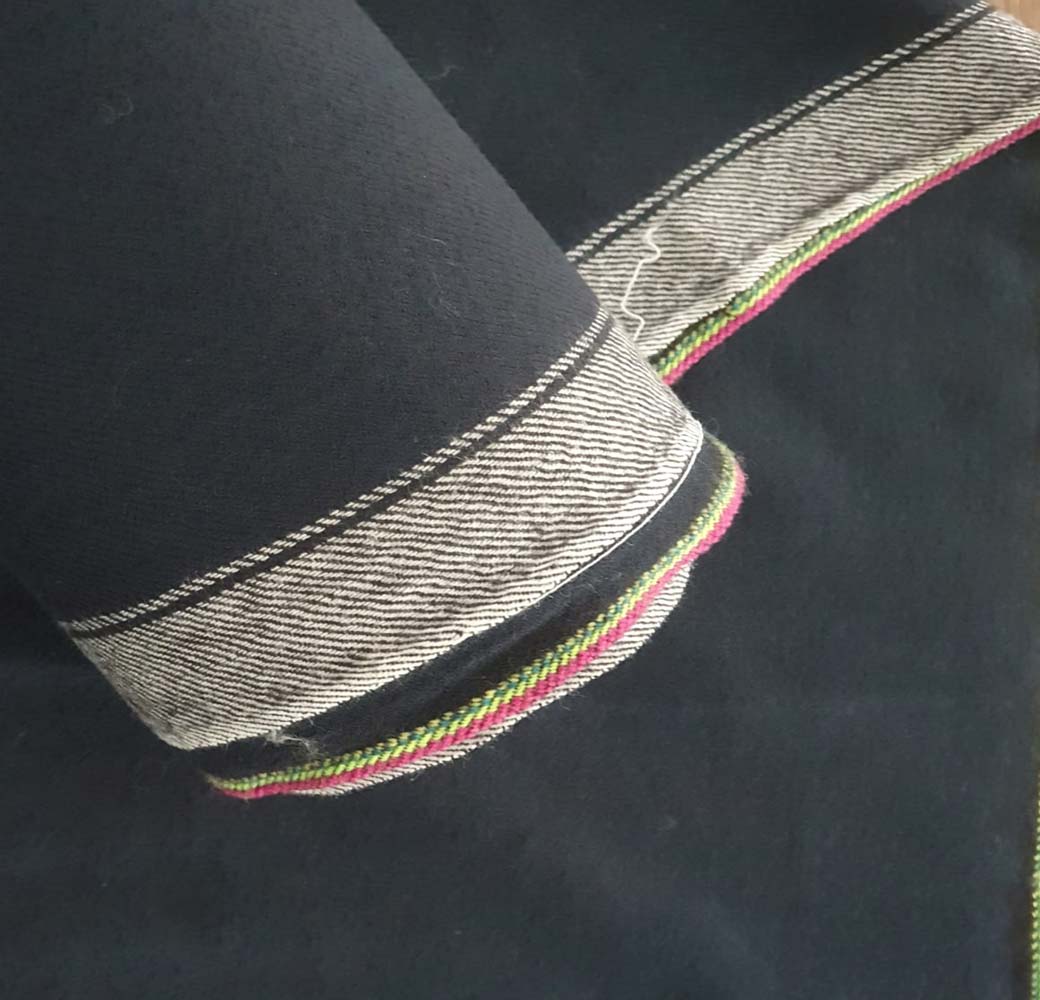
Choosing the right Selvedge Denim Fabric is an important decision when creating jeans, jackets, shirts, skirts, bags, or other denim garments. Unlike simply choosing denim by its colour, selvedge denim requires you to consider several factors, including fabric weight, weave, cotton composition, shrinkage, finish, texture, and the type of garment you want to make.
Selvedge denim is traditionally woven on shuttle looms, creating a finished edge that helps distinguish it from many modern wide-width denim fabrics. However, the presence of a selvedge edge alone does not tell you whether a particular fabric is the best choice for your project.
Whether you are making custom jeans, a structured denim jacket, a lightweight shirt, or a handmade accessory, selecting the right fabric can make a significant difference to the finished garment.
Selvedge denim is denim woven with a self-finished edge, traditionally produced on shuttle looms. The weft yarn travels back and forth across the fabric width, creating a clean edge rather than an unfinished cut edge.
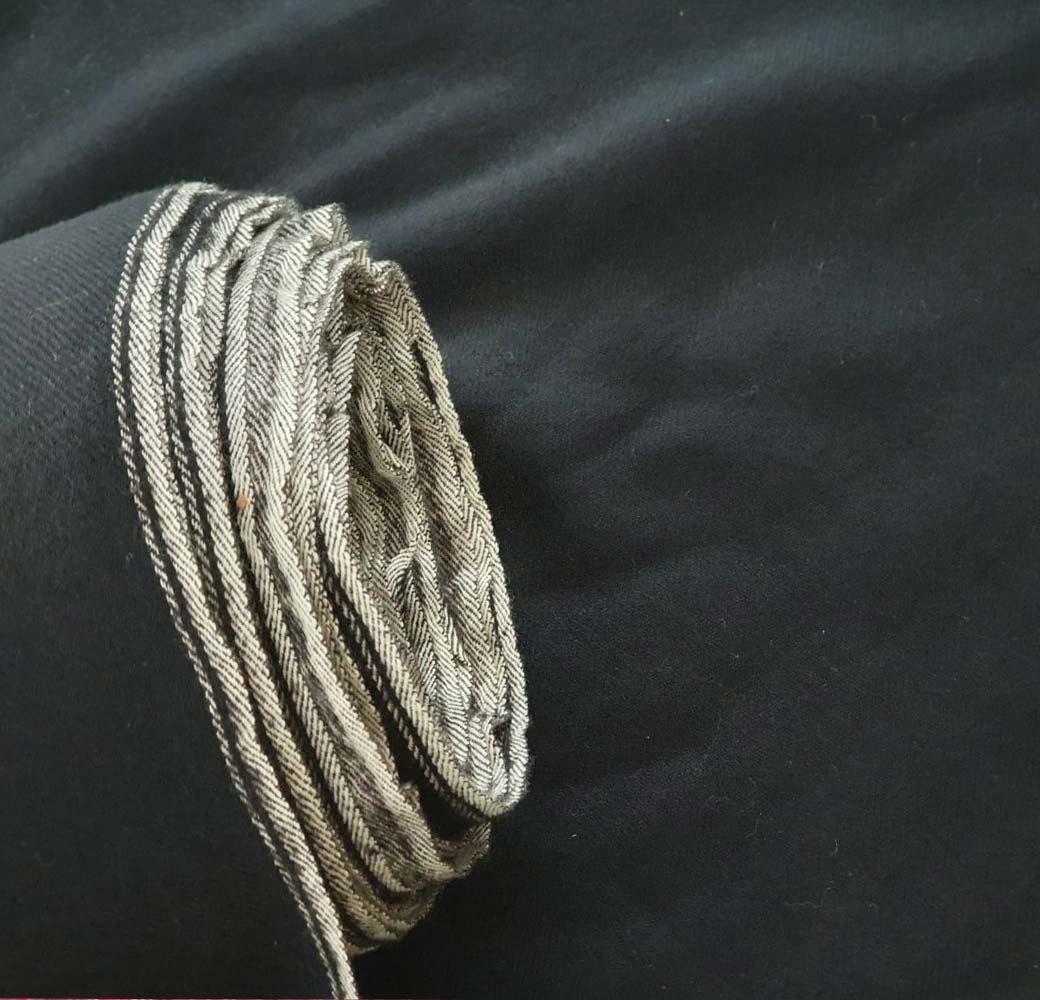
The distinctive selvedge edge is often visible when the fabric is used in garments such as jeans and can sometimes feature a coloured line known as a selvedge ID. Red is common, but selvedge IDs can appear in different colours depending on the fabric.
One important point to remember is that selvedge does not automatically mean the fabric is better for every project. The right fabric depends on what you are making, how you want it to feel, and how much structure or durability you need.
Before buying Selvedge Denim Fabric, decide exactly what you want to make.
Different garments require different fabric characteristics.
For jeans, medium-weight denim is a popular choice because it provides a balance between durability, structure and comfort. Around 12–14 oz is commonly used for versatile jeans, while heavier fabrics can provide a more rigid feel and stronger wear characteristics.
If you are making everyday jeans, consider:
For raw or unsanforized denim, remember to account for shrinkage before cutting your pattern.
Denim jackets generally benefit from fabric with more structure.
A medium-to-heavy fabric can help create a stronger silhouette and make the finished jacket feel substantial. Heavier denim can also be suitable for workwear-inspired jackets where durability is important.
If you are making a denim shirt, very heavy denim may feel uncomfortable or restrictive. Lightweight denim is generally more suitable when you want softness, movement and easier layering.
Lightweight denim can also work well for skirts, dresses and other garments where drape is more important than rigid structure.
One of the most important specifications when buying denim is fabric weight.
Denim weight is commonly measured in ounces per square yard (oz/yd²). The weight affects how the fabric feels, how it drapes, how much structure it provides and how suitable it is for different seasons and garments.
A simple starting point is:
| Denim Weight | Typical Uses |
|---|---|
| Under 11 oz | Shirts, skirts, dresses and lightweight garments |
| 12–14 oz | Jeans, jackets and everyday denim |
| 15–18 oz | Heavy jeans, structured jackets and workwear |
| 19 oz+ | Very heavy-duty garments and specialist projects |
These ranges are useful guidelines rather than strict rules. The weave, yarn, finishing and composition also influence how heavy or rigid a fabric feels.
If you are purchasing selvedge denim fabric by the metre, always check the listed weight instead of relying on descriptions such as “heavy denim” or “premium denim.”
Denim is traditionally recognised by its diagonal twill structure. However, different weave constructions can produce noticeably different textures and performance.
The direction and construction of the twill can affect the fabric’s appearance, hand feel and behaviour during wear. Right-hand twill is particularly common in traditional denim, while other constructions can provide different visual and performance characteristics.
When selecting fabric, look closely at:
If you are ordering online, product photographs can provide useful information, but they cannot completely communicate hand feel or drape. Requesting a swatch before purchasing a larger quantity is therefore a sensible step for important projects.
The fibre composition of denim affects its comfort, durability, stretch and overall character.
Traditional rigid selvedge denim is often made from cotton, while some modern denim fabrics include elastane or other fibres to introduce stretch.
Consider what your garment requires.
100% cotton denim can be a good choice when you want a traditional rigid denim character and pronounced fabric structure.
Stretch denim can be useful for fitted garments where additional flexibility and comfort are important.
When buying fabric for a specific design, always check the composition rather than assuming that every selvedge denim fabric is 100% cotton.
Shrinkage is one of the most important factors to check before purchasing denim fabric.
Sanforized denim has undergone a controlled pre-shrinking process, which makes its dimensions more stable.
Unsanforized denim, sometimes called loomstate denim, has not undergone the same pre-shrinking treatment and can shrink considerably when exposed to water. Some guides report first-wash or soak shrinkage in the range of roughly 5–10% in length, although the actual amount varies according to the fabric and treatment.
This matters because you need to account for potential shrinkage before cutting and sewing your garment.
If your project requires predictable measurements, ask the supplier:
Never ignore shrinkage information when ordering denim for a fitted garment.
Selvedge denim is traditionally produced on narrower-width shuttle looms, which is one reason fabric width can be an important consideration during garment planning.
Before purchasing, check the exact usable width of the fabric.
This is particularly important for:
A fabric may look affordable per metre but become less economical if its usable width requires more material for your pattern.
Always compare the price, width and required quantity together rather than comparing price per metre alone.
Indigo is strongly associated with traditional denim, but Selvedge Denim Fabric is available in many colours and finishes.
Depending on your project, you may choose:
The dyeing process can also influence how denim develops with wear. Indigo denim is particularly valued for its ability to develop changing shades and visible wear patterns over time.
If you are creating a garment intended to age naturally, consider how the colour is likely to change with washing and regular use.
Another important decision is whether you want raw or finished fabric.
Raw denim has not undergone the same type of washing or finishing that gives pre-washed denim its softer appearance.
It can offer a more authentic, structured appearance and may develop distinctive fading patterns through use.
Washed denim has already undergone a finishing or washing process. It can provide a softer hand feel and a more predictable appearance from the beginning.
Some fabrics receive additional treatments to change their softness, colour, surface appearance or dimensional stability.
The right option depends on whether you want the finished garment to look new and consistent or develop its own character through wear.
The selvedge edge is one of the easiest visual features to inspect.
A properly woven selvedge has a clean, finished edge created during the weaving process. A coloured thread or pattern along the edge is often called the selvedge ID.
When buying online, look for clear photographs showing:
However, do not choose a fabric solely because it has a red or coloured selvedge line. The colour of the selvedge ID is not, by itself, a measure of fabric quality.
Durability is important, but the strongest denim is not necessarily the best denim for every clothing project.
Heavy denim can feel rigid, especially when new. Lightweight denim generally offers more flexibility and drape.
Think about how the finished garment should behave.
For example:
For jeans: Look for a balance between structure, durability and comfort.
For jackets: More structure may be desirable.
For shirts: Softer, lighter denim may be more comfortable.
For skirts and dresses: Consider drape and movement.
For bags: Heavier fabric can provide useful structure and durability.
Your intended use should determine your fabric choice—not simply the highest available weight.
One of the safest ways to choose Selvedge Denim Fabric is to order a sample or swatch first.
A photograph cannot tell you everything about a fabric. A swatch allows you to evaluate:
You can also wash a sample if shrinkage or colourfastness is an important concern.
For designers, tailors and small clothing businesses, testing a swatch before purchasing a larger quantity can help prevent costly mistakes.
When buying Selvedge Denim Fabric online, don’t compare suppliers based only on price.
Check whether the product listing clearly provides:
A supplier that provides detailed specifications makes it much easier to determine whether the fabric actually matches your project requirements.
Before placing your order, ask yourself:
Answering these questions will make it much easier to choose the right material.
A good clothing project starts with the right fabric.
Choosing the correct weight, composition, weave and finish can influence everything from cutting and sewing to comfort and long-term wear. For handmade garments, the fabric also becomes an important part of the character and appearance of the finished product.
Rather than choosing denim simply because it is labelled “selvedge,” look at the complete specification and match it to your intended use.
If you are looking to buy Selvedge Denim Fabric online in India, Kullu Karishma offers fabric options for customers interested in quality textiles and thoughtfully made clothing materials.
Whether you are planning custom jeans, a denim jacket, a shirt, skirt, bag or another handmade clothing project, choosing the right denim begins with understanding its weight, construction, composition and finish.
Take the time to compare specifications, request a swatch where possible, and select a fabric that matches the requirements of your project.
The best Selvedge Denim Fabric is not necessarily the heaviest or most expensive option—it is the fabric that provides the right combination of weight, texture, durability, comfort and appearance for what you want to create.
Medium-weight selvedge denim around 12–14 oz can be a versatile choice for jeans, offering a balance between durability, structure and comfort. Heavier denim can be considered when a more rigid and durable garment is required.
The ideal weight depends on the garment. Lightweight denim can work well for shirts and dresses, while 12–14 oz denim is a versatile choice for jeans and jackets. Heavier denim is better suited to structured or heavy-duty garments.
Not necessarily. Selvedge describes the way the fabric is woven and finished at the edge. The best fabric depends on your project’s requirements, including weight, composition, weave, finish and price.
It can, particularly when the fabric is unsanforized. Sanforized denim is pre-shrunk and generally has more predictable dimensions, while unsanforized denim can experience significantly more shrinkage after exposure to water.
Yes. Selvedge denim can be used for jackets, shirts, skirts, bags and many other garments. The important consideration is choosing a fabric weight and construction appropriate for the intended garment.
Yes. A swatch allows you to evaluate the fabric’s colour, weight, texture, drape and hand feel before committing to a larger quantity. This is particularly useful for custom clothing and commercial production.
When buying online, look for a supplier that provides clear information about fabric composition, weight, width, finish and shrinkage. Checking these specifications makes it easier to select fabric that matches your clothing project.